The voice, the first signal in an emergency call
In an emergency call, not everything is conveyed through words.
Even before a symptom is described, there is the voice.
- A shorter breath
- A choppy rhythm , or conversely, an abnormally calm one.
- Silences, sometimes more eloquent than sentences.
- An emotional intensity that is difficult to articulate, yet immediately perceptible.
Working alongside medical dispatch centers, we have observed that these vocal signals are often the very first truly available information. They emerge before the situation is clearly described, sometimes even before the caller knows how to put their feelings into words.
Listening beyond words: the core of medical dispatch
Healthcare professionals working in medical dispatch know this well. Listening to a call is not just about understanding what is being said. It is also about interpreting the way it is said.
With experience, the voice becomes an indirect clinical indicator. A warning sign. Sometimes a confirmation signal. Stress, pain, confusion, or emotional distress are frequently expressed in the voice before being verbalized
This early assessment helps direct attention, guide questions, and refine decision-making in a context where every second counts.
Remote medicine, built on listening
This reality remains largely invisible to the general public. Yet, it is at the heart of the daily work of dispatch centers.
Medical dispatch is remote medicine, practiced unseen, relying on listening, rapid analysis, and the ability to make decisions amidst uncertainty. It is a demanding practice subject to high cognitive load, where attention can never truly waver.
It is by confronting this operational reality that we realized the central role of the voice in medical decision-making.
Enhancing listening without replacing humans
At e-sensia, our starting point is precisely this: recognizing that the voice is a signal in its own right.
The goal is neither to automate medical decisions nor to replace healthcare professionals. It is about enhancing their listening capabilities during moments when attention is most heavily taxed, and providing a safety net for humans, without ever substituting them.
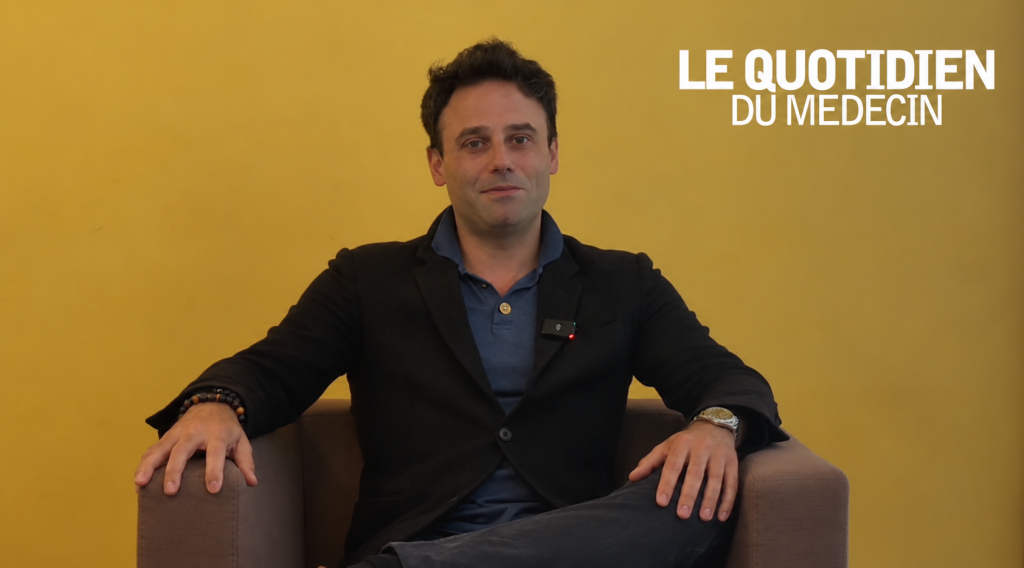
“What we learned in the field is that the decision doesn’t start with a symptom, but with a voice. Our role is to help caregivers maintain this acute listening, even when the pressure is at its peak ,” explains Dr. Jean-Baptiste Perney, emergency physician and co-founder of e-sensia.
Here, voice AI acts as discreet support: it helps to more quickly identify certain high-risk situations and direct human attention to where it is most needed.
After more than a year in live production alongside dispatch teams:
- The voice is often the first actionable signal
- Emotional signals frequently precede the medical description
- The quality of listening determines the quality of the decision
- Cognitive load is a key vulnerability factor
- Technology is only valuable if it empowers the human
Listening better to decide faster
In emergency situations, listening better often means deciding faster.
And deciding faster can sometimes make all the difference.
This is the logic behind the innovation driven by e-sensia: a discreet technology designed to integrate into the reality of medical dispatch and support those on the front lines.