Medical Voice Analysis: What the Voice Reveals Before Words
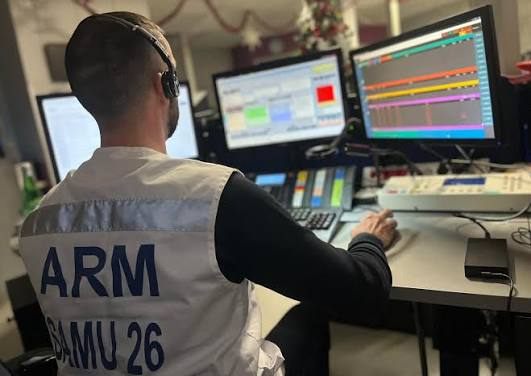
In a medical dispatch center, assessment begins from the very first second of the call. Even before a symptom is expressed, the voice already provides useful clinical information.
Breathing.
Tone.
Rhythm.
Emotional load.
These elements are not secondary. They contribute to understanding the situation.
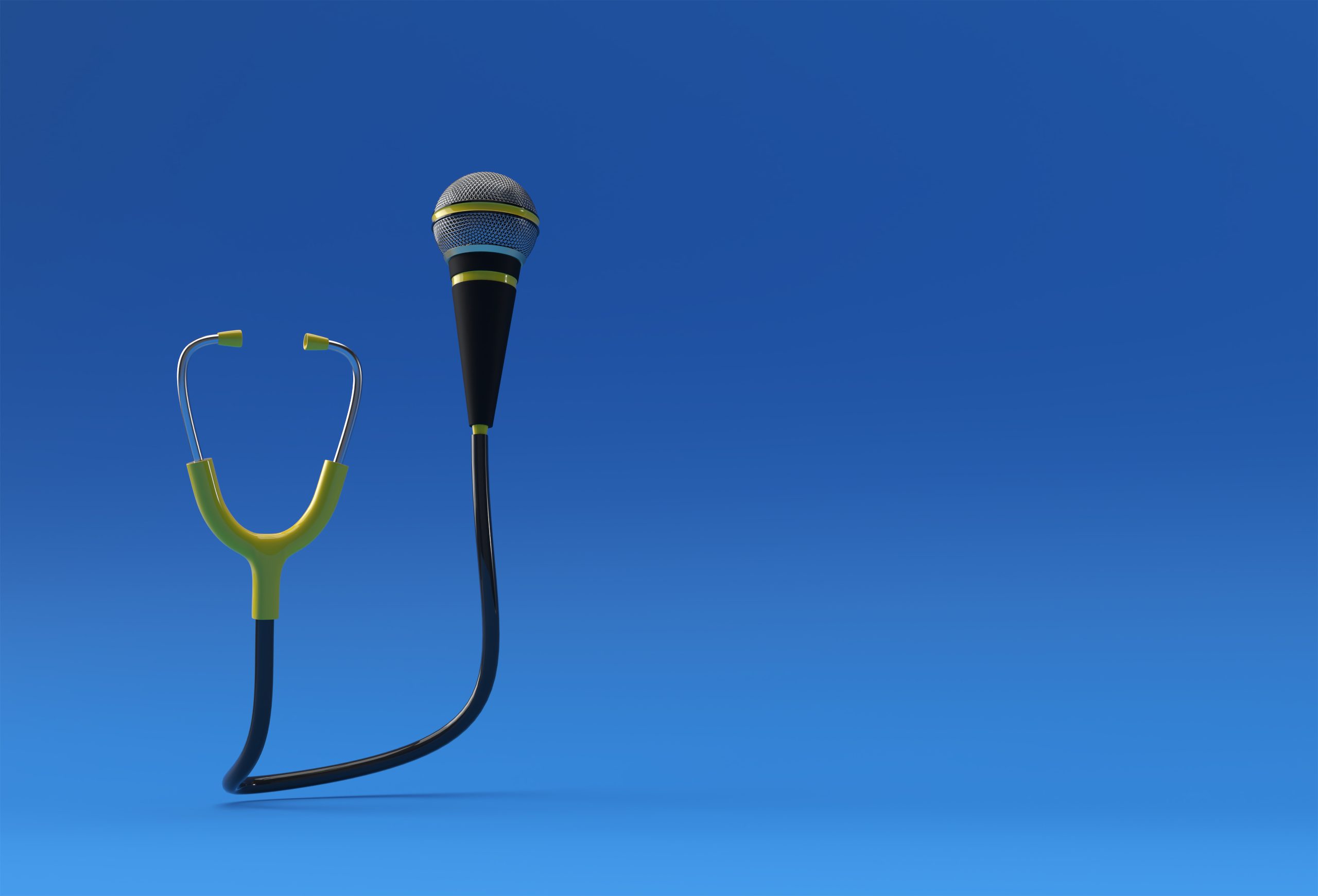
The voice is not just a communication channel. It is a clinical data point in its own right.
Respiratory stress detectable in the voice
Short, irregular, or labored breathing may signal distress. Marked vocal fatigue can reflect a deteriorated general condition. These cues can be perceived by the human ear, but their interpretation depends on context, experience, and the level of attention available.
👉 To understand how this analysis can be structured in real time.
In medical dispatch, calls come one after another. Cognitive load is high. Even for experienced professionals, consistently capturing all micro-variations in breathing is not always possible.
“In medical dispatch, the ear is a clinical tool in its own right. Breathing heard over the phone can already guide the level of alertness, even before the patient describes their symptoms,” explains Dr. Jean-Baptiste Perney, emergency physician and co-founder of e-sensia.
Structuring these signals makes it possible to add an additional layer of vigilance, without altering the physician’s role.
Subtle variations in tone and energy
Beyond breathing, the voice carries variations in tone, rhythm, and intensity. An unusually slow speech rate may indicate a deterioration in general condition. An unusually weak voice may signal extreme fatigue. Conversely, verbal agitation may mask a more serious underlying situation.
These nuances are often perceived intuitively. They rely on clinical experience and attentive listening. However, human intuition remains subject to natural limits of attention. No professional, however experienced, can simultaneously analyze every acoustic micro-variation in an extended exchange.
The voice thus becomes an additional source of information which, when objectified, can help secure decision-making.
Emotional load as a clinical indicator
Emotional distress can mask or amplify a medical situation. Tremors, broken sentences, sudden changes in intensity-all contribute to the overall assessment.
In an environment of constant pressure, the human ear remains central, but it cannot simultaneously analyze every acoustic parameter of a call.
This is where structured voice analysis makes sense: not to decide in place of the physician, but to draw attention to objective signals.
Enhancing listening, never replacing it
The voice intelligence developed by e-sensia is based on this conviction: technology must act as a safety net for medical dispatch.
👉 Learn more about e-sensia’s approach and commitments.
It operates in support, in the background.
It does not replace clinical analysis.
It does not impose conclusions.
It helps detect earlier, guide with greater confidence, in a context where time and attention are scarce resources.
“The goal is not to replace medical judgment with a machine. It is to provide an additional layer of information, in real time, to secure patient care,” adds Cédric Thoma, co-founder and COO of e-sensia.
A new way of reading vocal data
The voice has always been at the heart of emergency dispatch. It is now understood as actionable clinical data, capable of complementing traditional assessment.
What the voice reveals before words is not a spectacular innovation. It is a more refined reading of a reality already present in every call.
Strengthening medical decision-making.
Supporting listening.
Keeping humans at the center.